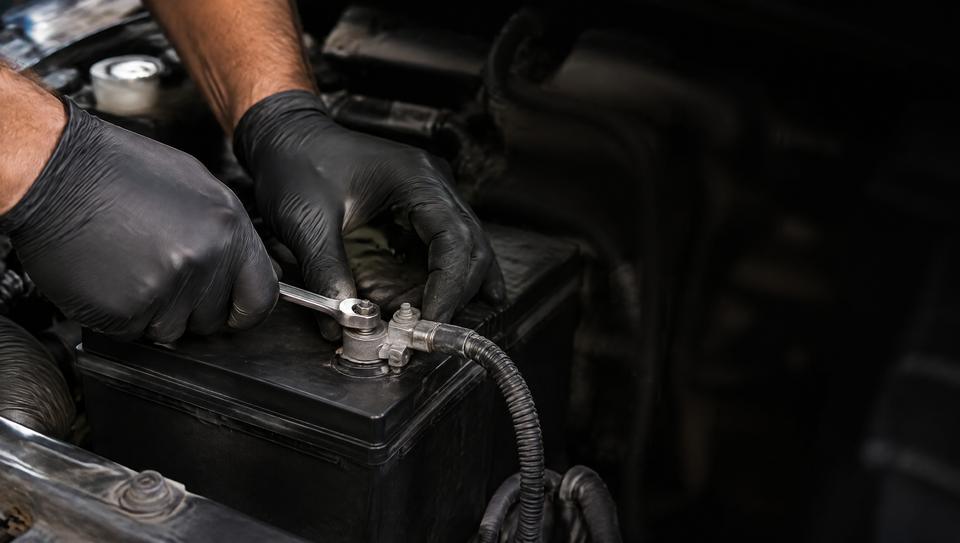
Flat battery on the road?
Move away from the traffic first, turn the hazard lights on, and call roadside assistance if you have it. If anyone is hurt or in danger, call 000. Don't try a jump start on a battery that's cracked, leaking or smells of rotten egg.
How long does a car battery last?
RACV puts a standard lead-acid battery at three to five years. An AGM battery, the sealed type made for heavier electrical loads, gets five to seven, though stop-start use can bring that down. RACT says three to four years for batteries generally, and RAC WA plans on replacing one every three.
The spread comes down to climate and use. Heat, cold, vibration and big electrical loads all take life off a battery. So do short trips: RACV says anything under 20 minutes doesn't give the alternator time to put the charge back.
In one year RACV's patrols went to over 290,000 battery callouts in Victoria: over 163,000 jump starts and 126,000 new batteries. NRMA suggests regular testing once a battery reaches about three years old, and before any long road trip.
Signs the battery is on its way out
- The engine cranks slowly or hesitantly, or you turn the key and hear a single click.
- Lights are dim, wipers drag, the radio's silent or the remote locks stop working.
- A salty or greenish crust on the terminals, or a case that looks swollen.
- You've needed more than one jump start lately.
- A battery light on the dash. That one often points past the battery to the charging system.
Is it the battery or the alternator?
The battery starts the car. The alternator recharges it while the engine runs. RACV says the battery light can mean a failing alternator, loose wiring or a broken drive belt, and RAC WA says slow cranking can come from a faulty alternator too.
So a new battery isn't always the answer. If the alternator's weak, the new one goes flat the same way. Have both tested first, and our page on alternators and starter motors explains that side of it.
A battery that's run flat also needs more than a drive. RAA says modern charging systems only replace what was used to start the car, and RAC WA says it needs a full recharge on a battery charger.
Why the right battery matters on newer cars
RACQ says modern cars lean on the battery far more than older ones did. Stop-start adds extra stress, and keyless entry keeps drawing power while the car's parked.
That's why the type counts. RAC WA says AGM batteries suit stop-start and hybrid cars. RACT says the wrong battery can stop a modern car starting even when it's fully charged, and that some European cars carry a hidden second battery. Some cars also need their electrical system reset once a new battery is in, which RAC WA calls battery registration.
RACV's check is simple: match the size and terminal positions, and buy the same or a higher CCA rating (cold cranking amps, a measure of starting power). A mechanic who works on your make will know the rest.
How to jump start a car
Check before you connect anything
Read the owner's manual, because cars differ. NRMA calls jump starting a modern car a high risk job: a spike can damage the car's computers. If you're unsure, call roadside assistance.
Use the right gear
NRMA recommends quality leads with spike protection, or a jump start pack.
Connect in order
Cars close but not touching, both off, handbrakes on. Red to the flat battery's positive, red to the good battery's positive, black to the good battery's negative, then the last black clamp to bare metal on the flat car, away from its battery.
Start the flat car
RACV's order is to run the good car for a minute, then start the flat one. RAC WA says to leave the good car's engine off to reduce the risk of a spike. They differ, so your owner's manual decides.
Take the leads off and drive
Remove the leads in reverse order, then drive for 10 to 20 minutes. NRMA says a jump start won't fully recharge the battery, so have it tested soon after.
What a good written estimate for a new battery shows
- The test result for the old battery and for the charging system.
- The battery type, its size and its CCA rating, and that it suits your car.
- Any reset or battery registration, as its own line.
- How long the battery warranty runs.
- What happens to the old battery.
What you can do, and what to leave
You can
- Drive for at least 20 minutes once a week if the car mostly does short trips.
- Lock the car, even in the garage. RACQ says keyless entry keeps a car that's left open awake, looking for the key.
- Use a smart charger if the car sits for long stretches, and follow its instructions.
Leave to the mechanic
- Testing the battery and the charging system.
- Batteries under a seat or in the boot, second batteries, and any reset.
- A swollen, cracked or leaking battery. Don't handle it yourself.
- Anything on a hybrid or electric car beyond the small battery.
What we'd do
We'd test before we'd buy, especially if the battery is under three years old. If the test says it's the battery, we'd fit the type the maker specifies and not whatever's on the shelf. If the car has stop-start or a European badge, say so in the card so the mechanic comes prepared. Then keep the invoice, because the date on it makes the next one easy to plan.