Noise plus a warning sign? Stop
A loud bang, a knock from the engine, grinding under braking, or any noise with a red light, a smell of fuel, a smell of exhaust in the cabin, or steering that feels wrong means pull over somewhere safe and switch off. RAC WA says carbon monoxide has no smell, so a fume smell is a warning about the exhaust, and to stand clear of the car. Call roadside assistance if you have it. If anyone is hurt or in danger, call 000.
What kind of noise is it?
| What it usually is | How soon | |
|---|---|---|
| Squeak over bumps | Dry or worn suspension bushes, the rubber sleeves in the suspension joints. | Have it checked at the next chance. |
| Squeal when braking | Brake pads. See squeaky brakes. | Soon. |
| Squeal from under the bonnet | A drive belt slipping on a pulley. See squealing belt. | Soon. |
| Clunk over bumps | Suspension parts, or a loose exhaust, says the NRMA. See rattling or clunking noise. | This week. |
| Clunk or click when turning | CV joints, steering or a wheel bearing. See noise when turning. | This week. |
| Hum or whine that rises with speed | A wheel bearing, the diff or tyres. See wheel bearing noise. | This week. |
| Rattle from underneath | Something loose or lodged, says the NRMA, often in the exhaust. | Promptly. |
| Hiss from under the bonnet | Often coolant on a hot part, or a vacuum leak. | Now, if the gauge is rising. |
| Knock from the engine | The NRMA says this usually means a serious engine problem. See engine knocking or ticking. | Stop and get it checked. |
| Roar under acceleration | A rusted or damaged exhaust, which can let fumes into the cabin. | Right away. |
Why does my car squeak when I'm driving?
A squeaking noise when driving that follows the bumps, not the speed, is usually the suspension. Rubber bushes dry out and harden with age, ball joints wear, and top mounts on the struts get tired. It's often worse on cool mornings, or over speed humps and driveway crossovers. Car suspension squeaking is usually more of an early warning than an emergency, but worn parts affect steering and tyre wear, and they don't improve by themselves.
A squeak that follows wheel speed, with a steady rhythm that quickens as you go, is something turning. That points to a brake, a bearing or something caught near a wheel. A chirp that follows engine revs points to a belt or a pulley under the bonnet. So the question to ask yourself is what the noise keeps time with: bumps, road speed or revs.
How to pin down the noise
Answer the five questions
When does it start? Does it follow speed or revs? Does it change when you turn, brake or go over bumps? Is it worse cold or hot? Which corner does it seem to come from?
Record it
Get a passenger to record it on a phone, on a quiet road. Don't try this yourself while you're driving. A clip can save a mechanic a lot of time, especially for a noise that comes and goes.
Rule out the small stuff
Empty the boot and door pockets, and check the parcel shelf and roof racks. RAC WA lists objects under the seats as a cause of rattles, and it costs nothing to look.
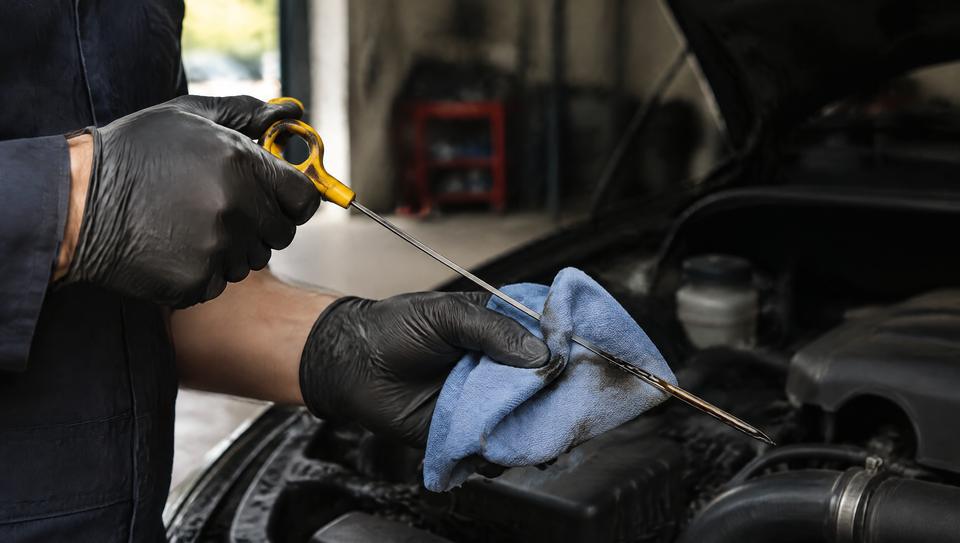
Check the oil on a cold engine
The NRMA says tapping or clicking under the bonnet can mean low oil, which is easy to check.
What the mechanic will do
Start with a road test, ideally with you along to point out the noise. Then they'll put the car on a hoist and go over the suspension, steering, wheel bearings, exhaust and mounts by hand, because a worn joint usually shows up as play when it's levered. For an engine noise they'll listen with a stethoscope-style tool and check the oil, belts and pulleys.
Noises that only show up on the road can take time, so ask how they'd approach finding it and what happens if they can't reproduce it on the day. Before you approve any work, get a written estimate that says which part makes the noise and how they know. A good mechanic is happy to show you the play in the joint or the wear on the part. Suspension and steering noises suit a mechanic who does that work regularly, and engine noises one who does engines. RAC WA also suggests a second opinion if you're unsure.
What you can do, and what's the mechanic's job
You can
- Record the noise, and note what it keeps time with.
- Clear loose items from the car.
- Check tyres for a stone or a nail, parked.
- Check the oil on a cold engine.
Leave to the mechanic
- Anything under the car on a hoist.
- Testing suspension, steering and bearings for play.
- Engine noise diagnosis.
What we'd do
We'd take a couple of minutes to record it and work out what it keeps time with, then send the job with that in the note. If it's a squeak or a hum with a car that drives normally, this week is fine. If it's a knock, a grind or anything new from the brakes or steering, we'd stop driving it until a mechanic has heard it. The NRMA's rule is a good one: if you're not sure how serious a sound is, ask straight away.