Overheating? Pull over and switch off
If the temperature needle is heading for the red, a temperature light comes on or you see steam, stop somewhere safe and turn the engine off. Driving on, even a short way, can greatly increase the damage. Never open a radiator or coolant cap on a hot engine: pressurised coolant and steam can burn you badly. Let it cool, which can take more than an hour, and call roadside assistance. If anyone is hurt or in danger, call 000.
What does a cooling system do?
NRMA says only about a third of the heat from burning fuel becomes useful power. Much of the rest has to go somewhere, and the cooling system carries it away. A pump pushes coolant through the engine and out to the radiator, where air takes the heat off it.
Two small parts do a lot of work. The thermostat holds coolant back when the engine's cold, so it warms up quickly. The pressurised radiator cap raises the coolant's boiling point, and that's why opening it on a hot engine is so dangerous. Coolant itself, NRMA says, is a mix of water and chemicals that prevents boiling, freezing and corrosion.
What causes a cooling system to fail?
RAA ranks them: leaks first, then worn or burst hoses, a poorly performing radiator, and loose or broken belts. RACV adds a failed water pump. Hot weather finds the weak spot, and RACQ says even minor leaks may fail under pressure on a hot day.
Keep an eye on the top-ups. RACV says a car that keeps needing coolant has either an external leak or internal use, and that needs tracing. Internal use can mean a head gasket, so don't just keep filling it.
After a bad overheat, the trouble may not stop when the engine cools. RACQ says damage can show up days, weeks or even months later. Tell the mechanic it happened, and how far you drove.
Do I need a radiator repair or a new radiator?
It depends on where it's leaking. Hoses, clamps, the cap and the thermostat are small replacements. Many modern radiators have plastic tanks crimped to an aluminium core, and once those crack, replacing the radiator usually makes more sense. An older metal radiator can sometimes be repaired, and NSW has a separate radiator repair tradesperson class for that work.
A good mechanic pressure tests the system first, because small leaks only show when it's hot and under pressure. They'll also check the fans, the pump and the belt.
Do I need a radiator flush?
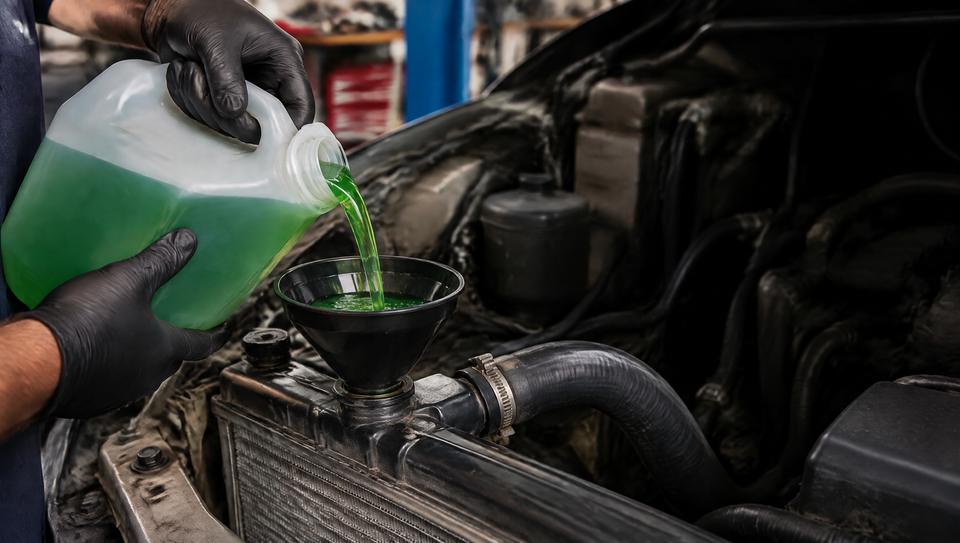
Coolant gets replaced on a schedule, and your owner's manual has the timing for your car. A flush or coolant change drains the old fluid, clears the system and refills it with the type the maker specifies.
The type really matters. RAA warns against mixing coolants, because they can turn into a jelly-like substance that clogs the system. So keep to what the manual says, and make sure the mechanic does too.
If the old coolant comes out rusty or sludgy, ask why. That can point to a bigger problem, and a flush won't fix the cause.
What a good written cooling system estimate shows
- How the leak was found, such as a pressure test.
- Which part has failed, and repair or replace.
- The thermostat, cap, hoses and clamps, if they're being done at the same time.
- The coolant going in, by type, and that it matches the manual.
- A check on the fans and water pump.
- If it overheated, any further checks recommended.
What you can do, and what to leave
You can
- Check the coolant reservoir on a cold engine, every 4 to 6 weeks as RAA suggests.
- Note how often it needs topping up, and how much.
- Look for coolant on the ground under the car, or a sweet smell.
- Watch the temperature gauge, especially on hot days or when towing.
Leave to the mechanic
- Anything on a hot engine. Don't refill a hot engine with cold water: RACQ says it can cause major damage.
- Pressure testing and finding the leak.
- Replacing the radiator, pump, thermostat or hoses.
- Flushing and bleeding air from the system.
What we'd do
We'd treat any coolant loss as a job for this week, not the next service. A cooling problem is usually a modest repair right up until the engine overheats. If it's dropping and you can't see why, ask for a pressure test and tell the mechanic how often you've been topping it up. If it has overheated, have it towed instead of limping it there. Tell us the car and what you noticed, and a local mechanic will call to talk it through.