Castle Hill and the hills around it
Up and down all day
The district takes its name from its comparatively hilly topography, and Castle Hill itself sits at 142 metres. Budget Direct's roadside guide lists terrain, stop-start traffic and towing among the things that decide how long brake pads last, and a day of Castle Hill errands can serve up the first two before lunch.
Old Northern Road and the arterials
The shops and offices centre on Old Northern Road, while Windsor and Old Windsor roads carry much of the district's traffic, with the North-West T-way running the length of Old Windsor Road. There's a light industrial area on the suburb's western side.
Metro to the city
Castle Hill and Hills Showground stations opened on the Metro North West line on 26 May 2019, and since August 2024 the line runs straight through to the CBD. If the car now only does the run to the station, that's short-trip driving, which is harder on the battery and the oil than it looks.
Pink slips in the Hills
The pink slip is NSW's yearly safety check for most light vehicles past their fifth year, and only an AIS station can do it. Look for the AIS sign at the front of the business, which lists the inspections it's authorised to carry out.
Servicing a car that lives in the Hills
A car that climbs and brakes on every trip, then sits at the Metro all day, ticks two of RACV's boxes for harder driving: short trips where the engine never fully warms up, and heavy stop-start traffic. RACV says that kind of use can mean a service around every six months instead of once a year. Your book may list a separate, shorter schedule for it.
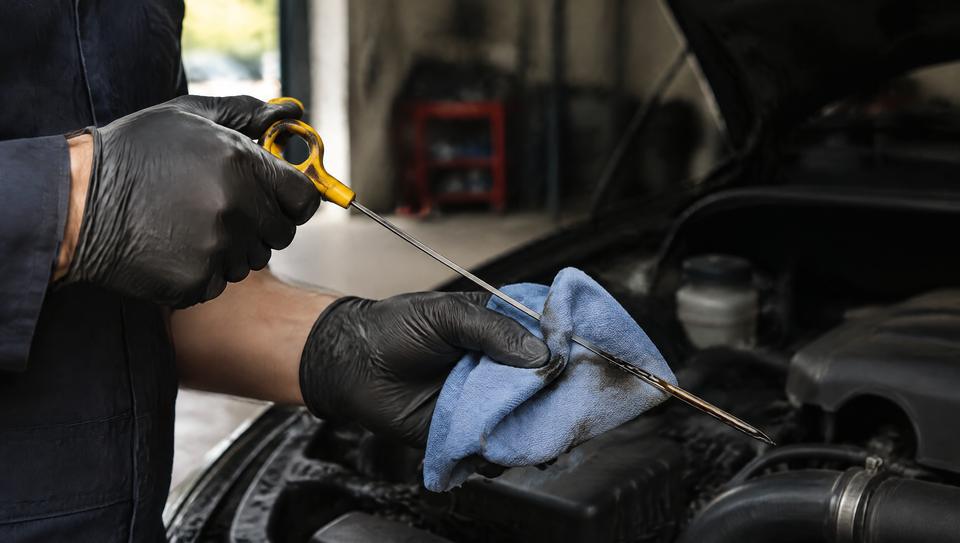
Short trips are tough on oil in particular. The engine doesn't get hot enough for long enough, so water and other contaminants build up in it between changes.
What we'd do
We'd ask for the brake pads to be measured at every service, not just glanced at, and for the battery to be tested once it's past three years old, as NRMA suggests. On Hills District roads, those are two parts that get asked a lot of.