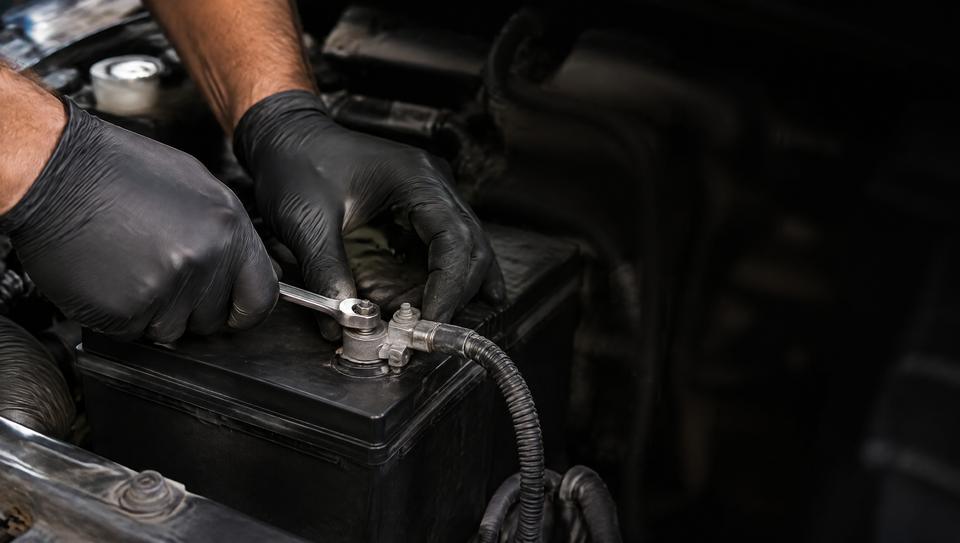
Signs the battery is on its way out
RACV's list is slow or hesitant cranking, dim lights, slow wipers, a silent radio or remote locks that don't respond, and corrosion or swelling around the terminals. If the car only clicks when you turn the key, the battery may be flat or finished.
Heat damage builds quietly, so a battery can start the car happily one week and leave you stuck the next. A test tells you where it stands: NRMA says a battery health check takes under 10 minutes.
What Darwin does to a car battery
The build-up
October and November are the hottest months, when heat and humidity rise together before the rains. AANT's wet-season advice includes having the battery tested, because extreme weather can strain it.
Parked in the sun
RACV's hot-weather advice is to park in shade or a garage where you can. A car left all day in an open car park at the airport or an office bakes in full sun, and the battery bakes with it.
Away for a few weeks
RAC WA says a car left unused for more than two weeks will likely need its battery looked at. If you're heading south over the wet, ask a mechanic about a battery maintainer or disconnecting the battery before you go.
Short trips with the air on high
RACV says trips under 20 minutes don't give the alternator enough time to recharge the battery. A quick run to the shops with the air conditioning flat out leaves even less in reserve.
Getting the right replacement
The new battery needs to match the car: the same size and terminal layout, and the same or higher CCA rating (cold cranking amps, a measure of starting power). Many stop-start cars need an AGM battery, and RAC WA notes some new batteries need registering to the car's electrical system after fitting.
A mobile mechanic can usually swap a battery where the car is parked. Ask them to check the charging system at the same visit, because NRMA says a flat battery can be caused by a faulty charging system, and that will flatten a new one too.
What you can do, and what to leave to the mechanic
You can
- Park in shade or under cover whenever you can.
- Note how the car starts in the morning, and when the battery was fitted.
- Lock the car even in the garage: RACQ says keyless entry can keep a parked car awake looking for the key.
- Look at the terminals for white or green crust, without touching them.
Leave to the mechanic
- Load testing the battery and checking the alternator's output.
- Choosing and fitting the right battery, and registering it if the car needs it.
- Jump-starting a modern car if you're unsure how: RACV warns a wrong jump start can damage the electrics.
What we'd do first
If the battery is three years old or more, we'd have it tested in September, before the build-up arrives. It's a quick check, and much easier to arrange than a flat battery in a shopping centre car park on a November afternoon.