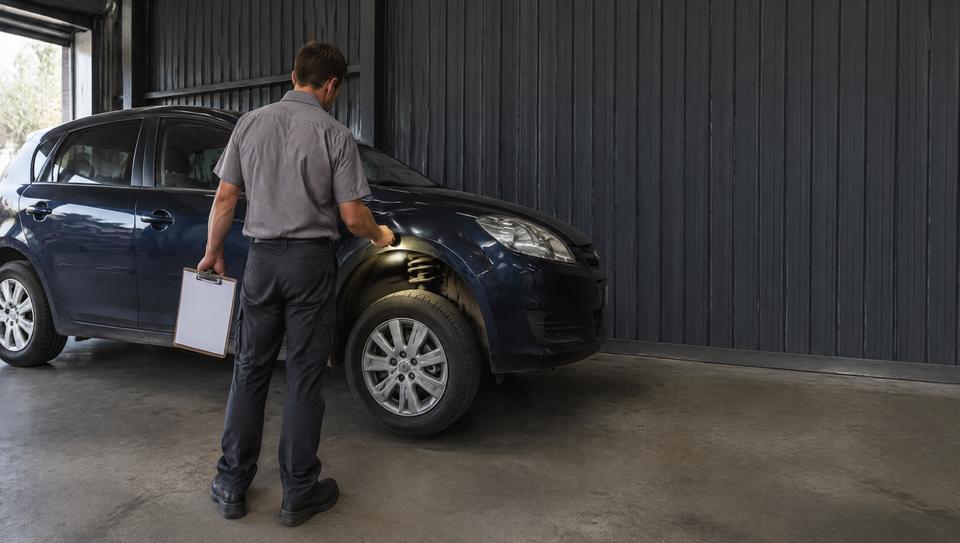
What a Darwin car can hide
Water first. In the wet, the NT's emergency services warn about flooded roads in many parts of the Top End, and a car that's been in water can look fine on a sunny inspection day. AA New Zealand's list of flood signs is a good start: a musty smell or a strong cleaning-product smell, watermarks or carpet newer than the rest of the car, silt in the glovebox, under the seats or in the engine bay, fogged lights, electrics that work some of the time, and rust on screws in the dash or doors.
Then the dry-season kilometres. A car that's done Litchfield and Kakadu trips on dirt can have tired shock absorbers, worn bushes and loose fittings that don't show on a short drive around the block. RACV recommends its more detailed brake check for 4WDs, SUVs and bigger cars.
And the long haul. A car driven up from down south has done a serious run: the Stuart Highway alone is 2,720 km from Port Augusta to Darwin. Highway kilometres aren't bad in themselves, but the service history should match the odometer.
Buying a car in Darwin
Humidity and the harbour
Afternoon humidity averages over 70 percent in the wettest months, and Darwin sits on the harbour with a long coastline. Ask the mechanic to look under the car, in the door bottoms and around the boot seals as well as at the paint.
History before the drive
Consumer Protection WA's buyer advice is to run a PPSR search on the VIN, which shows whether a car is written off, stolen or still owes money. It also notes a typical Australian driver covers roughly 12,000 to 15,000 km a year, so an odometer well under that for the car's age deserves a question.
Private sales
The same advice is blunt: buying from a private seller means buying at your own risk, because the Australian Consumer Law doesn't protect you there. The inspection is your protection.
A car registered interstate
If the car is on another state's plates, check what the NT Government needs to register it here before you agree to buy. The current rules are on nt.gov.au.
What a good Darwin inspection covers
- A road test with the air conditioning on full for the whole drive.
- The cooling system, hoses and any sign of past overheating.
- Underbody, sills and door bottoms for rust.
- Carpets, the spare wheel well and the engine bay for silt or water marks.
- Suspension, steering, wheel bearings and tyres for dirt-road wear.
- The battery, charging system, lights and every switch.
- The service records against the odometer reading.
If we were buying in Darwin
We'd run the PPSR search the night before, then have the inspection done before any money changed hands, deposit included. If the seller won't allow one, Consumer Affairs Victoria's advice is not to buy the car, and that holds just as well in Darwin.