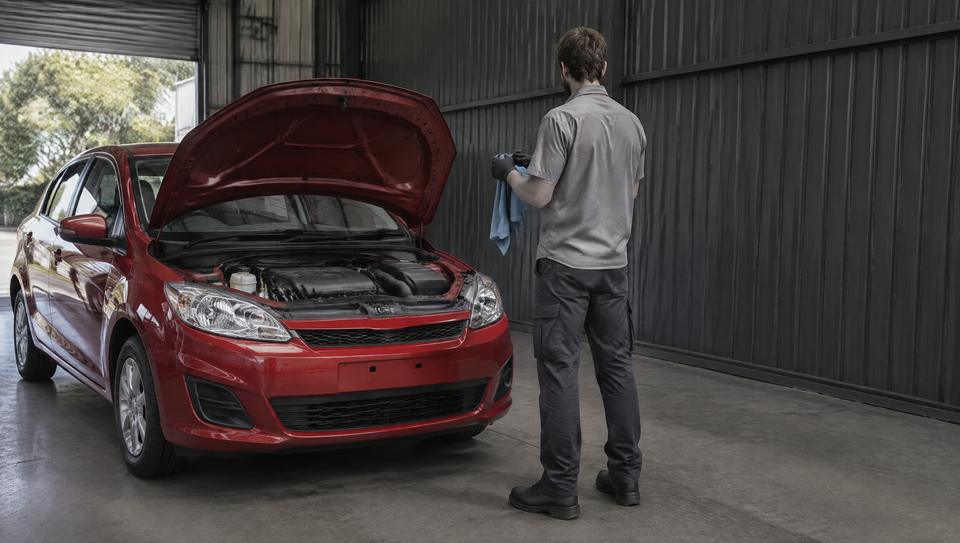
How long the clubs say an inspection takes
| On the day | Worth knowing | |
|---|---|---|
| NRMA pre-purchase inspection | 1 to 2 hours, usually around 60 to 90 minutes | A mobile, visual inspection. The report comes within the following 24 hours |
| RAA pre-purchase inspection | Allow up to 2 hours | The model and the type of inspection can change the time |
| RAA taxi or rideshare inspection | Usually one hour | A different inspection, for cars doing passenger work |
| RAC WA pre-purchase inspection | Ask when you arrange it | It includes a road test and a car history report |
What makes an inspection take longer?
The package. A basic check of road safety and general condition is quicker than one that adds the interior, exterior and past damage repairs.
The car. NRMA says the type, age and condition of the vehicle all count. A tidy late-model hatch has less to write up than a tired 4WD. RAA says some older or rare cars need a hoist, so they're inspected at a workshop instead of where they're parked.
Electric and hybrid cars. RAC WA adds checks on the high-voltage battery and motor for an EV, including a visual look at the battery's condition and security.
The extras. RAA's fuller inspection also checks if the car has been written off, stolen or is still under finance.
An inspection isn't a roadworthy
People use these words as if they're the same job, and they're not. A roadworthy, safety certificate or pink slip is a state safety check, done only by the testers each state allows, and the rules are different in each state. A pre-purchase inspection is for you as the buyer, about the car's condition.
Queensland's transport department says its safety certificate inspection is not a full mechanical inspection, and Victoria describes its roadworthy as a general safety check. So a current certificate doesn't answer the question a buyer's asking. For how long a roadworthy lasts, see each state's answer. If you're asking how long the test itself will take, ask the tester when you arrange it.
What can a 90-minute inspection miss?
Read what you're getting before you pay for it, because inspections differ. NRMA describes its pre-purchase inspection as a visual and non-mechanical inspection only. RAC WA includes a road test in its engine checks, and RAA's reports cover road test findings.
A visual check on a driveway can't see what a hoist can. Nobody's pulling the engine down either, so an intermittent fault may not show on the day. If the car's expensive, old or a bit unusual, it's worth paying for the longer job on a hoist.
How to set it up so it doesn't drag on
Ask the seller first
The inspector needs access to the car, so get the seller's okay before you arrange anything. A seller who won't allow an inspection has told you something.
Pick the right spot
RAA asks for a place that's flat, off a public road and has room for a trolley jack. If the spot isn't safe, an inspector may not be able to do the job.
Say what worries you
A noise you heard on the test drive or a repair the seller mentioned is worth passing on, so the inspector looks for it.
Decide if you'll attend
NRMA says you don't have to be there. If you'd like to be, say so when you arrange it, and leave the inspector to work.
Hold off on paying
Don't hand over a deposit you can't get back until the report is in. Then use what it finds to decide, or to talk about the price.
What a good inspection report tells you
- What the road test found, if there was one.
- The vehicle's history, including if it's been written off or is still under finance.
- Oil and fluid levels and their condition.
- The brakes, tyres, battery and charging system.
- Lights, interior and any past damage repairs.
- A plain overall rating. RAA uses stop, caution or go.
- What needs doing now, and what can wait.
What you can do, and what to leave
You can
- Read the service book. NRMA says a stamped book shows if the car has been serviced at regular intervals.
- Phone the mechanic listed in the book to see if the records line up.
- Check the car's history on the PPSR, which NRMA recommends even when you've seen the logbooks.
- Take it for a test drive with the radio off, on a cold engine if you can.
Leave to the mechanic
- The inspection itself, and the written report.
- Reading stored fault codes.
- Looking under the car on a hoist.
- Telling you what a fault is likely to involve.
What we'd do
Allow 2 hours for the inspection and another day for the report, and tell the seller that up front. If it's a higher-value car or a make that's expensive to repair, have it looked at by a mechanic who knows that make, because they'll know where its weak spots are and what to look at first.
When you've found the car
A mechanic who works on that make can spot things a general inspection might not.
Tell us the car and where it is. A local mechanic who specialises in your car.