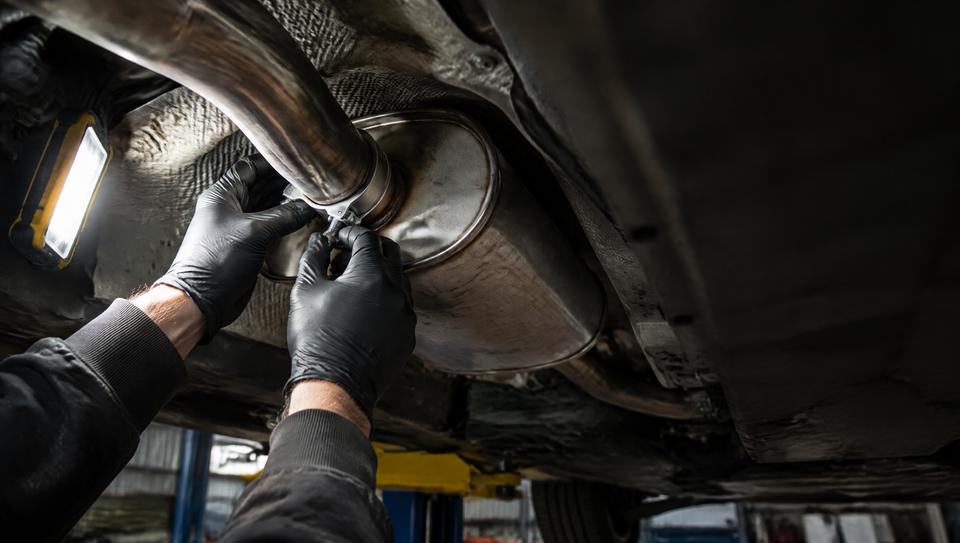
Why a DPF blocks, and how a highway run helps
RACQ explains that the filter burns off its soot during sustained highway driving. When it needs help, the engine adds a little extra fuel to heat the filter to around 600 degrees, which typically takes five to 25 minutes at 80 km/h or more. Low-speed, stop-start driving can stop that from starting or finishing, and that's the most common cause of DPF trouble.
RAA suggests a weekly 20 to 30-minute drive at highway speeds. From most of Newcastle, the Hunter Expressway out towards Branxton and back is an easy place to give a diesel that run.
When the light won't go out
Ignore a DPF light for long enough and the car can drop into limp mode with the engine and DPF lights both on. RACQ says it then needs a forced regeneration by a mechanic, and possibly an oil and filter change too, because fuel can end up in the oil.
If the engine light came on as well, RACV says another fault may be stopping the filter from regenerating, so reading the codes comes before cleaning anything.
Exhausts around Newcastle
Salt air under the car
Near the surf, the harbour and Lake Macquarie, salt gets to the pipes, joints and hangers that hold the exhaust up. A new rattle or a deeper note is often a hanger or joint letting go, and catching it early can save replacing a whole section.
NSW noise limits
The NSW EPA caps a car built after 1982 at 90 decibels standing still, and bans temporary fixes like steel wool or baffles that aren't welded or riveted in. If you're issued a vehicle inspection notice, you or a mechanic of your choice can do the repair, but a defective vehicle notice can end in suspended rego.
Utes that do both
A diesel that tows on long weekend runs usually keeps its DPF clean. The trouble comes when the same ute spends Monday to Friday on short trips around town. RACQ suggests anyone mostly in slow city traffic think about whether a DPF vehicle suits them.
What the mechanic should tell you
- Whether the DPF needs a forced regeneration, a clean or a replacement.
- What stopped it regenerating, such as a sensor or another engine fault.
- Whether the oil needs changing because fuel got into it.
- For the exhaust: which pipes, joints or hangers have rusted.
- That they hold the NSW tradesperson class for exhaust work, if they're fabricating or modifying.
What we'd do
If the DPF light came on after a week of short trips, we'd follow the owner's manual and give the car a steady highway run on the expressway. If the light came back, or the engine light joined it, we'd stop driving it around and have a diesel mechanic read the codes.