Oil light on, or a burning smell? Pull over
The red oil can symbol means low oil pressure. RACV says to pull over safely and switch off as soon as you can. The same goes for smoke from under the bonnet or a strong smell of hot oil, because oil dripping on a hot exhaust can burn. Don't restart it to see if the light has gone. Call roadside assistance if you have it. If anyone is hurt or in danger, call 000.
Is it definitely oil?
RAA's signs of an oil leak are a black puddle after parking, a smell of burning oil when the engine is hot, a falling oil level or the oil warning light. Fresh oil is amber and turns dark with use, and it feels slick between your fingers.
RACV's tip is to look underneath after the car has sat in the same spot overnight. Slide a sheet of clean cardboard under the front of the car when it's parked, and look at it in the morning. You'll see the colour, the size of the spot and roughly where it's dropping from. If two or three cars share your driveway, RAA says to make sure you've got the right one.
Clear water under the air conditioning is only condensation. Green or orange is coolant. Bright red is more likely transmission fluid or power steering fluid.
Where is the oil coming from?
| The clue | What the repair involves | |
|---|---|---|
| Rocker cover gasket (also called a valve cover gasket), at the top of the engine | A burning smell, often before any drip, because the oil runs onto hot parts. RAA says it can also get into the spark plug wells. | Usually a new gasket, and on some engines a good deal of dismantling to reach it. |
| Oil filter or sump plug | A leak that starts right after a service. | Often a small job. Go back to whoever did the service first. |
| Timing cover seals, at the front of the crankshaft | A pool that keeps coming back. | RAA says these can be done during a timing belt change, so ask if one is due. |
| Rear main seal, between the engine and gearbox | A pool towards the middle of the car that keeps coming back. | RAA says the transmission or engine has to come out. It's a big job for a small part. |
What to do this week
Check the level
On a cold engine, on flat ground, with the engine off. RACV says never to check it with the engine running. If it's below the low mark, top up with the oil your owner's manual lists.
Don't overfill
RACV says too much oil can cause as much damage as too little. Add a little, wait, and check again.
Write down how much you add
If you're topping up every week or two, tell the mechanic. That one number decides how urgent the job is.
Keep it off the drain
Put a tray or cardboard under the spot while you wait, and don't hose the oil into the gutter. Stormwater drains aren't the place for it.
What the mechanic will check
Oil travels. Wind, gravity and the undertray mean the drip you can see can be well away from the leak. A good mechanic cleans the area, then looks for the highest wet point, and may add a dye and a UV light to find it. If the car has had a service lately, they'll check the filter and sump plug first because they're the simple answers.
The estimate should name the leaking part, how much of the engine comes apart to reach it, and whether anything else is worth doing while it's open, such as a timing belt that's nearly due. RAA notes a rear main seal is a much bigger job than a rocker cover gasket, so ask which one you've got before you say yes.
Ask whether it's urgent or a watch-and-wait. An honest answer might be that a slow seep can be left until the next service, as long as you check the level. On a tightly packed modern engine, a mechanic who knows your make can often reach the leak with less dismantling.
What you can do, and what's the mechanic's job
You can
- Check the oil on a cold engine, and top up to the right mark.
- Use the cardboard trick to see where it's dropping.
- Take a photo of the spot, and note how quickly it's growing.
Leave to the mechanic
- Tracing the leak to its real source.
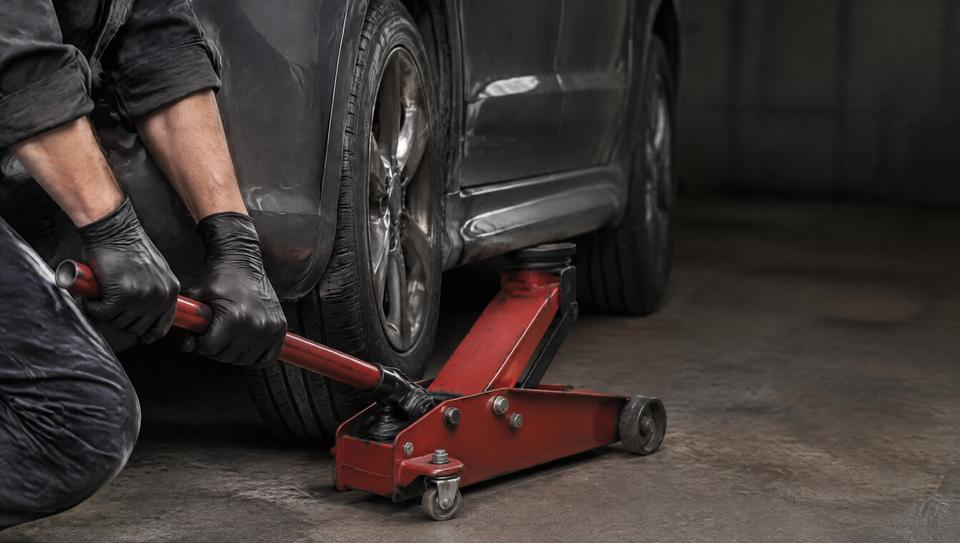
- Replacing gaskets and seals, which usually means lifting the car safely. Never get under a car held up only by a jack.
- Checking that oil hasn't reached the spark plugs, the belts or the exhaust.
What we'd do
A spot the size of a coin overnight and a level that's holding: we'd keep checking it and raise it at the next service, or sooner if it grows. A patch that's spreading, or a level that's falling each week: we'd send the job now. An oil light or a smell of burning: we'd stop, and get a mechanic to come to the car.