What happened to Saab, and why parts survived
Production stopped at Trollhattan on 5 April 2011, and Saab filed for bankruptcy that December. NEVS bought the factory and assets on 13 June 2012, but Saab Automobile Parts AB wasn't in the deal. NEVS built a small run of 9-3 sedans from December 2013, then stopped in May 2014.
The parts company went to the Swedish National Debt Office in 2012, and was sold on in June 2022. Now called Orio, it's described as the exclusive global supplier of Saab original spare parts. What that doesn't tell you is how quickly a given part gets to Australia, so that's a question for the mechanic.
Which 9-3 have you got?
This is the first thing a mechanic needs to know, because the two generations are very different cars.
First generation, 1998 to 2003. Saab's own H engine, with chain-driven camshafts and turbocharged versions, and Saab's Trionic engine management on the turbos. Gearboxes were a 5-speed manual or a 4-speed automatic.
Second generation, 2003 to 2014. It moved to GM's Ecotec engine family and a GM platform, added a 2.8-litre turbo V6 from 2006, and used Fiat-sourced 1.9 TiD diesels from late 2004. Automatics came from Aisin.
The 9-5 needs the same care: the second-generation car was built only from 2010 to 2011, so check which one you've got before ordering anything.
What an older Saab usually needs
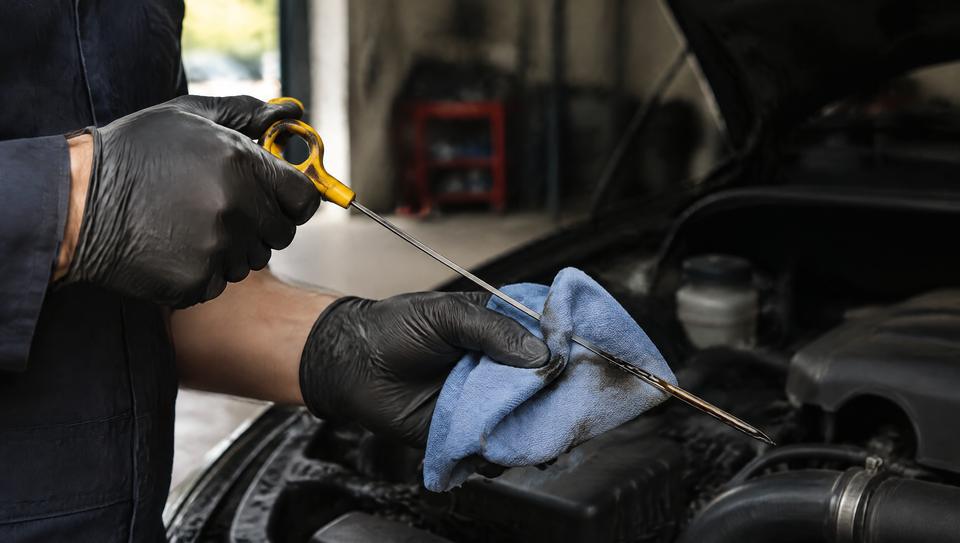
Oil and turbo care. A turbo runs on the engine's oil, so keeping up oil changes with the right grade really counts on these.
Timing chain attention. H engines use a chain, not a belt, so there's no routine belt swap. If the engine rattles on a cold start, get it looked at. A mechanic can advise if it's anything to worry about.
Age-related wear. Rubber hoses, suspension bushes and cooling parts all age. Those aren't Saab faults, just what happens to any car this old.
There's no new car warranty left on any Saab. Repairs are still covered by the Australian Consumer Law, which says they must be done with due care and skill. Ask for a written estimate first, and tell us the job and the year. A local mechanic who specialises in your car.
What to ask a mechanic about your Saab
- Have you worked on this engine, and can you read Trionic fault codes?
- Which parts are needed, and are they Orio stock or aftermarket?
- How long will parts take to reach you?
- If a part is slow to come, is there a safe way to keep the car running meanwhile?
What you can do on your Saab
You can
- Check the oil level on a cold car and keep a log of top-ups.
- Keep the service history together: it helps at sale time too.
- Note any noise, with the temperature and speed when it happens.
Leave to the mechanic
- Timing chain inspection and engine diagnosis.
- Turbo and boost faults.
- Fault code reading.
If this Saab were ours
We'd find the mechanic before the car needs one, and we'd pay for a general once-over so they know it. We'd ask about parts lead times early and keep a spare of anything small that tends to take a while. With a car this rare, staying with one mechanic who knows it is worth more than chasing the nearest workshop.