What comes up around Coffs Harbour
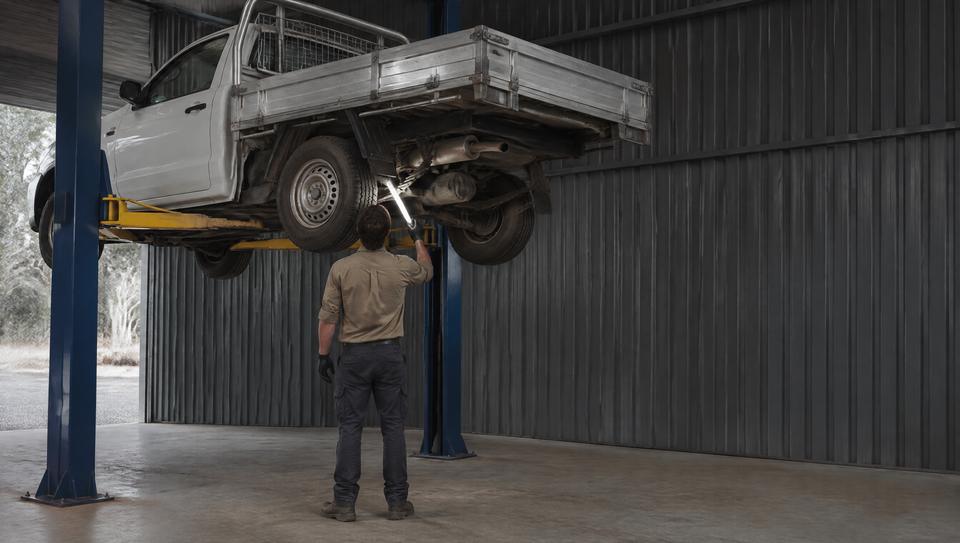
Utes off the plantations
The hills behind Coffs are covered in forest and banana and blueberry plantations. A ute that's spent a few seasons on farm tracks without rego needs a blue slip to come back onto the road. Goods vehicles of 4.5 tonnes GVM or less, with no power-operated brakes, count as light vehicles under NSW's rules.
Hot, wet summers
Coffs has a humid subtropical climate, with hot, wet summers and rain that arrives heavily in season. Worn tyres and smeary wiper blades are what you notice first on a wet highway, and both are on a safety check.
The highway through the middle
The Pacific Highway runs straight through the centre of the city. If the steering wanders or the car floats over bumps at highway speed, get it looked at before the inspection, not during it.
Salt near the beaches
Park Beach, Sandy Beach, Sapphire and Moonee are all close to town. Rust in a car's structure can hold up a slip, so check the sills and floor while there's time to fix them.
What to ask the station before you go
- Does your AIS sign list the blue slip as well as the pink slip?
- How do I get an unregistered vehicle to you legally?
- If it fails, how long do I have to come back for the recheck?
- Can you do any repairs it needs, and do you hold a NSW motor vehicle repairer licence?
Pink slip renewals
For a registered vehicle more than 5 years old, counted from its compliance plate, the renewal notice tells you whether a pink slip is due. The report is good for 6 months.
Fail, fix, and return to the same station within 14 days, and the recheck carries no extra inspection fee. Leave it longer and you'll pay for another inspection.
What we'd do
If a farm ute has been sitting unregistered, we'd have a mechanic go over the brakes, tyres, lights and steering before the blue slip, because it's simpler to fix things before an inspection than between two of them. For a registered car, we'd get the pink slip as soon as the notice arrives, ahead of the wet if the timing allows.